I LOVE the people that live at Meadowlark Hills. We are all different but similar, and that makes for a great place to live.
Pedaling for Parkinson's: Bike Ride Boosts Awareness, Support for Parkinson's Program
April 23, 2026

Local not-for-profit focused on supporting people in living their best lives
April is Parkinson’s disease (PD) Awareness Month which creates the perfect time to share information about Parkinson’s, including the latest issues in advocacy.
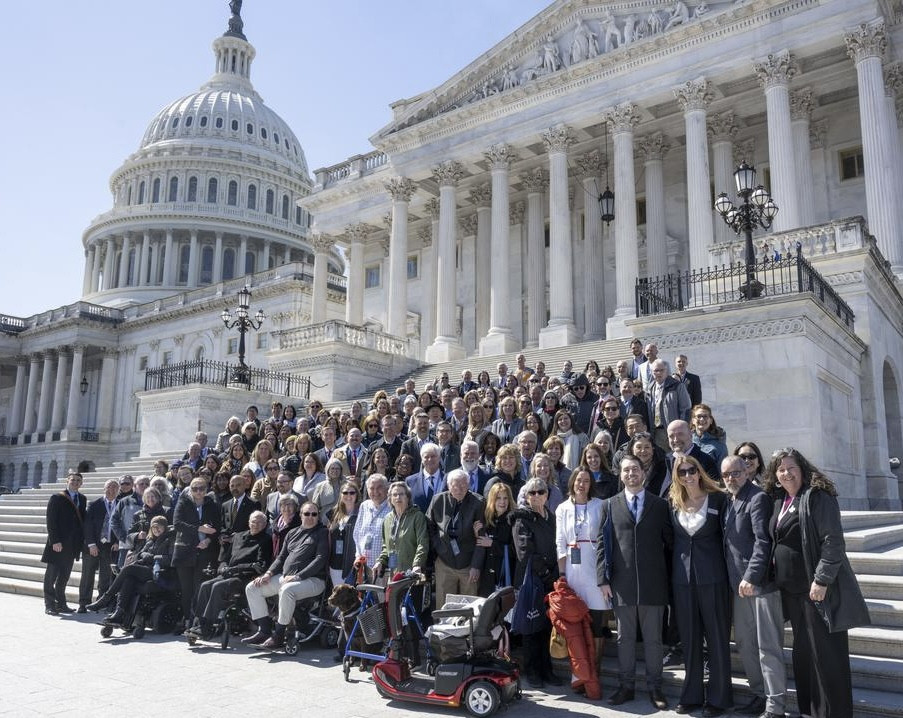
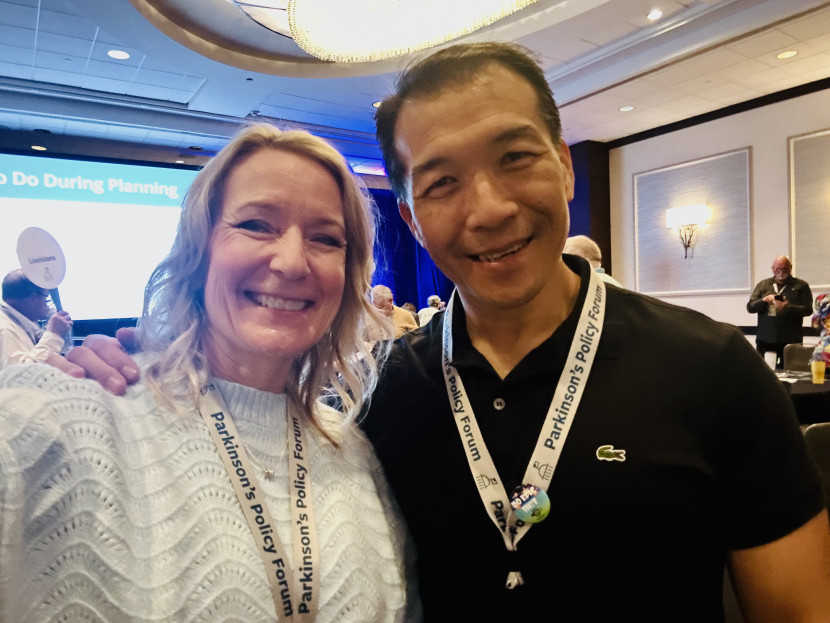
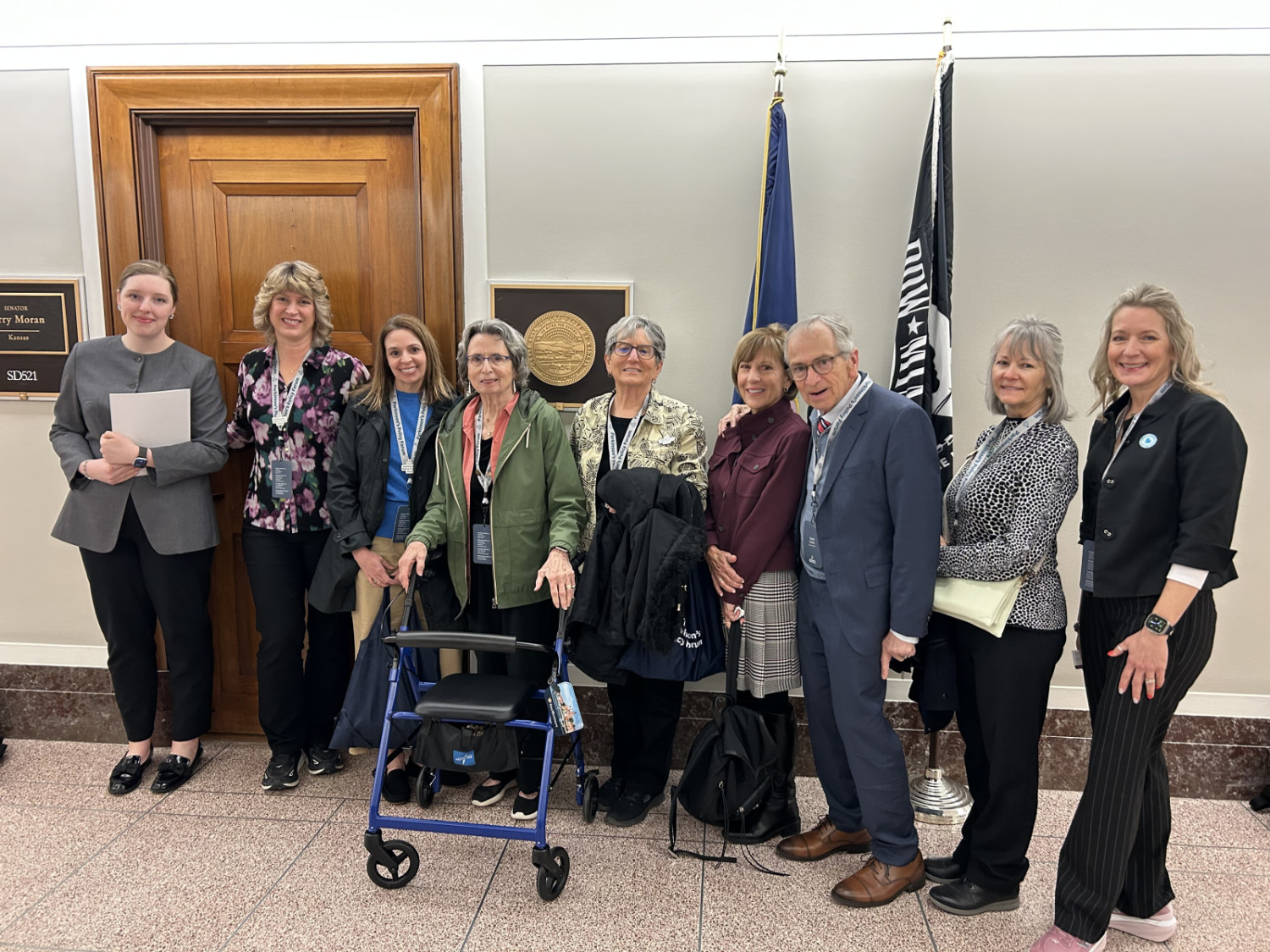
The Parkinson’s Foundation of the Heartland sponsored me for an amazing opportunity to attend the 2026 Parkinson's Policy Forum. This event was a wonderful collaborative effort between the Michael J. Fox Foundation, Parkinson’s Foundation, and American Parkinson’s Disease Association. It was an incredibly inspiring few days as 300 advocates from 49 states joined forces to speak to Congress with one unified voice. We shared our personal stories to show lawmakers exactly why we need their help to fight this disease. Kansas was well represented with six people affected by PD (people with PD and care partners) and two professionals, me, and Connie Urbanek from Club Parkinson’s in Wichita.
Here is a quick recap of what we learned and what we fought for on Capitol Hill!
A Bit About PD & The Growing Challenge
PD is progressive degenerative neurological disease that causes a loss of dopamine producing cells which results in slow movements (bradykinesia), postural instability, tremor, and rigidity. Many non-motor symptoms are also prevalent and can include depression, bowel and bladder issues, and difficulties regulating body temperature and showing facial expressions. Research shows there can be both a genetic and an environmental component that leads to the symptoms.
Here are some eye-opening statistics. Parkinson’s is currently the fastest-growing neurological condition in the United States. Right now, over 1.2 million Americans are living with Parkinson's disease and related conditions, and 90,000 new people are diagnosed every single year. Kansas is ranked second, behind Nebraska, in the US for number of people diagnosed per capita.
According to the 2024 report, the economic cost of the disease in the U.S. has skyrocketed to $82.2 billion — a number that hit a decade earlier than experts originally expected. Because the population is aging and there is currently no way to stop the disease from progressing, the need for action has never been more urgent.
Our Mission on Capitol Hill
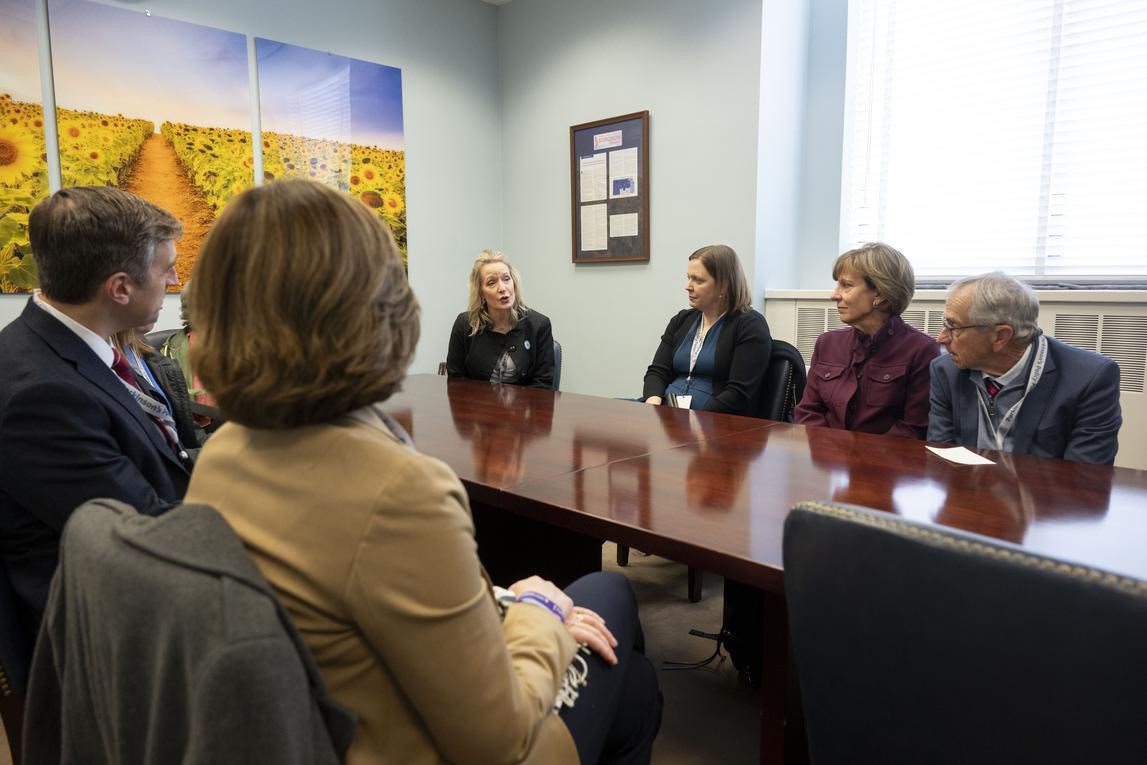
It was a busy time on the Hill with several hearings and votes occurring; however, our Kansas delegation met with staff from Rep. Tracey Mann, Rep. Shanice Davids, Sen. Jerry Moran, and Sen. Dr. Roger Marshall. Later we were joined by Rep. Ron Estes and his staff. We were able to share the facts listed above and personal stories to push for four major policy changes.
1. Boosting Research Funding: We urged Congress to increase federal investment in Parkinson's research at the National Institutes of Health (NIH) to $600 million a year by the year 2028. This increase seems substantial but compared to $3.8 billion allowed to Alzheimer’s research, it is yet a plunk in the bucket.
2. Banning the Toxic Weedkiller Paraquat: A major focus of our trip was protecting brain health by limiting exposure to toxic chemicals. We talked to lawmakers about Paraquat, a highly toxic weedkiller that is strongly linked to an increased risk of Parkinson's. Even though it is banned in more than 70 other countries, it is still used in the U.S. We asked representatives to sign a letter to EPA Administrator Lee Zeldin to support protecting the public from this dangerous chemical.
3. Backing the HEALTHY BRAINS Act: We asked members of the House to co-sponsor a bipartisan bill called the HEALTHY BRAINS Act (H.R. 7779). This legislation would fund new research centers entirely dedicated to studying how environmental factors and toxic chemicals contribute to Parkinson's disease.
4. Getting the National Parkinson's Project on Track: Congress recently passed a bipartisan law to create a massive, government-wide plan to end Parkinson's disease, but the project has stalled. The government already missed its very first deadline on Jan. 2, 2026, and they still haven't put together the required Advisory Council. While in DC we were informed the Council is aligned but has not been announced. We urged Congress to hold the health department accountable, get the council seated, and set strict new timelines so we can get this project moving.
Looking Ahead
Walking the halls of Congress and sharing our lived experiences was a powerful reminder of what we can achieve when we work together. We left our lawmakers with a clear message: Parkinson's is growing, the costs are rising, but the science is ready for a breakthrough.
The Meadowlark Parkinson’s Program is devoted to continuing providing education, outreach, and exercise to help people affected by PD live their best lives without worries of paying for support. These services help empower people affected by PD and support each other throughout the journey. If you or someone you know would like to learn more about these opportunities, please contact Michelle or Katie at (785) 323-3899.

Development Director

Health Services Director

Community Relations Director